

Understanding Financial Statements for Your Business: A Complete Guide for Entrepreneurs
As a business owner, you’re constantly making decisions that impact the future of your company. But how do you know if those decisions are financially sound? How do you ensure you’re on track to meet your goals and avoid unexpected financial problems? That’s where financial statements come into play.
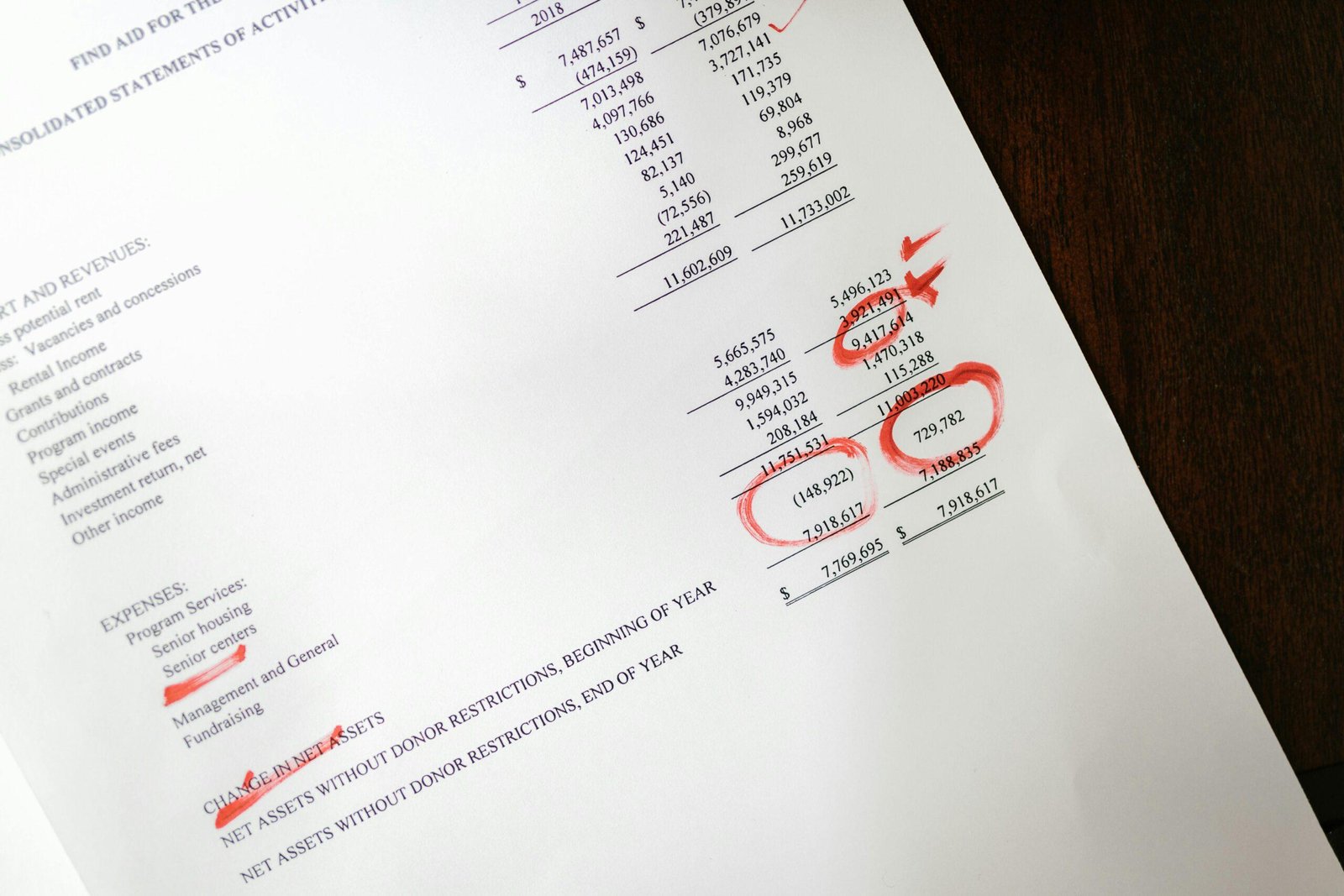
Financial statements provide a snapshot of your business’s financial health. They offer vital insights into how your company is performing, where your money is going, and what areas need improvement. Whether you’re a startup or an established business, understanding these key documents is essential for making informed decisions.
In this guide, we’ll break down the three major types of financial statements you need to know about, why they’re crucial, and how to use them to your advantage.
What Are Financial Statements?
At their core, financial statements are reports that summarize your business’s financial activities. They’re like a report card for your company, showing how well it’s doing in terms of profit, loss, and overall financial health. Financial statements are a valuable tool for both business owners and external stakeholders, such as investors or lenders, to assess your business’s stability and growth potential.
For a startup business, understanding these statements is even more important. You’ll rely on them to track your growth, secure funding, and make data-driven decisions that set the stage for long-term success.
The Three Major Types of Financial Statements
There are three main types of financial statements every business should know:
- The Income Statement
- The Balance Sheet
- The Cash Flow Statement
Let’s dive into each one to understand their role and how they help you manage your business finances.
1. The Income Statement: Tracking Your Profitability
Also known as a profit and loss statement (P&L), the income statement shows how much money your business has earned (revenues) and how much it’s spent (expenses) over a specific period, typically monthly, quarterly, or annually. The goal of this statement is to show whether your business is profitable or operating at a loss.
An income statement includes the following:
- Revenue: The total amount of money earned from selling goods or services.
- Cost of Goods Sold (COGS): The direct costs associated with producing the goods or services sold (materials, labor, etc.).
- Gross Profit: Revenue minus COGS. This shows how efficiently you are producing your goods or services.
- Operating Expenses: These include things like rent, salaries, utilities, and marketing costs—basically, the costs of running your business.
- Net Income: The “bottom line” of your income statement. This is what’s left after all expenses have been deducted from your revenues. If your net income is positive, you’re in the green; if it’s negative, you’re operating at a loss.
Actionable Tip: Regularly reviewing your income statement allows you to spot trends in your revenue and expenses. For example, if your expenses are rising faster than your revenue, you can take action before it impacts your profitability.
2. The Balance Sheet: A Snapshot of Your Business’s Financial Position
The balance sheet provides a snapshot of your business’s financial position at a specific point in time. It lists your assets, liabilities, and owner’s equity (the value of your business to its owners), and it follows the fundamental accounting equation:
Assets = Liabilities + Owner’s Equity
This equation shows that your business’s resources (assets) are funded either by borrowing (liabilities) or through the investment of the owners (equity).
The balance sheet is divided into two main sections:
- Assets: These are the resources your business owns. They can be current (cash, accounts receivable, inventory) or long-term (property, equipment, patents).
- Liabilities: These are what your business owes to others, including loans, accounts payable, and credit lines.
- Owner’s Equity: This represents the owner’s investment in the business, along with any profits that have been reinvested into the company.
Actionable Tip: By reviewing your balance sheet, you can evaluate how much debt your business has compared to how much equity it has. A healthy business will have a balanced mix of assets and liabilities, with equity showing profitability over time.
3. The Cash Flow Statement: Monitoring Your Liquidity
The cash flow statement tracks the flow of cash in and out of your business over a specific period. While the income statement shows profitability, the cash flow statement reveals how well your business is managing its cash. It’s possible to be profitable on paper but still run into trouble if cash isn’t flowing freely to cover your obligations.
A cash flow statement includes three sections:
- Operating Activities: Cash generated or used in the normal course of business, such as receipts from customers and payments to suppliers.
- Investing Activities: Cash related to the buying and selling of assets like property, equipment, or investments.
- Financing Activities: Cash related to borrowing and repaying debts or issuing equity.
Actionable Tip: Keep a close eye on your cash flow statement, especially during times of growth or uncertainty. A negative cash flow can be a sign that your business is struggling to manage its finances, even if it’s profitable on paper.
Why Financial Statements Matter for Your Business
Now that we understand the three major types of financial statements, let’s talk about why they’re important for your business.
1. Informed Decision-Making
Having a clear understanding of your business’s financials allows you to make data-driven decisions. Whether you’re considering expanding your product line, hiring more employees, or cutting costs, these statements provide the information you need to make the right choices.
2. Financial Health and Stability
Financial statements offer a clear view of your business’s health. They help you determine if you’re operating at a profit, whether you can afford new investments, and if you’re on track to meet your financial goals.
3. Attracting Investors or Lenders
If you’re seeking funding from investors or applying for a business loan, financial statements are the documents that will prove your business is a worthwhile investment. Lenders and investors rely on these documents to assess the risk involved in funding your business.
Actionable Tip: Keep your financial statements up to date and accurate, so you’re always prepared to share them with potential investors or financial institutions.
4. Tax and Legal Compliance
Financial statements are also essential for meeting tax requirements. They help you report your income and expenses accurately, ensuring you comply with local, state, and federal tax regulations. Additionally, well-maintained financial statements help you avoid legal issues related to financial reporting.
How to Get Started with Financial Statements for Your Business
If you’re new to accounting for startups, you might feel overwhelmed by the idea of managing these documents. But the good news is that you don’t have to do it all yourself. There are steps you can take to get started and keep things on track.
1. Use Accounting Software
There are several accounting software platforms available that can generate financial statements automatically. Tools like QuickBooks, Xero, and FreshBooks make it easy to track your income, expenses, and cash flow without having to manually enter all your data.
Actionable Tip: If you’re just starting out, consider investing in simple accounting software. Many platforms offer free trials, so you can test them out before committing to a subscription.
2. Hire an Accountant
As your business grows, it may be beneficial to work with a professional accountant who can not only help you understand your financial statements but also provide insights and advice to improve your business’s financial position.
Actionable Tip: At Apex Accounting, we specialize in accounting for startups and growing businesses. Our expert team can help you generate, analyze, and interpret your financial statements to help you make smarter business decisions.
3. Review Regularly
Don’t just create financial statements and put them aside—review them regularly. Set a time each month or quarter to assess your business’s financial position, track any changes, and plan for the future.
Actionable Tip: Set a recurring monthly reminder to review your financial statements and make any necessary adjustments. This will help you stay on top of your financial health and avoid surprises down the road.
Ready to Get Control Over Your Business’s Financials?
Understanding and managing your financial statements is essential for the health and growth of your business. By regularly reviewing these key reports, you’ll be able to make informed decisions that move your business forward. What financial goals are you focusing on this year? Let us know in the comments, or reach out for personalized advice!
At Apex Accounting, we’re here to help guide you through every step of the accounting process, from generating your financial statements to helping you make sense of the numbers. Whether you’re a startup or a growing business, we offer customized accounting services designed to fit your needs.
Get in Touch Today: Ready to take control of your business’s financial future? Contact Apex Accounting for expert assistance with your financial statements and overall business accounting needs.