
Unlocking potential and securing growth through strategic financial planning
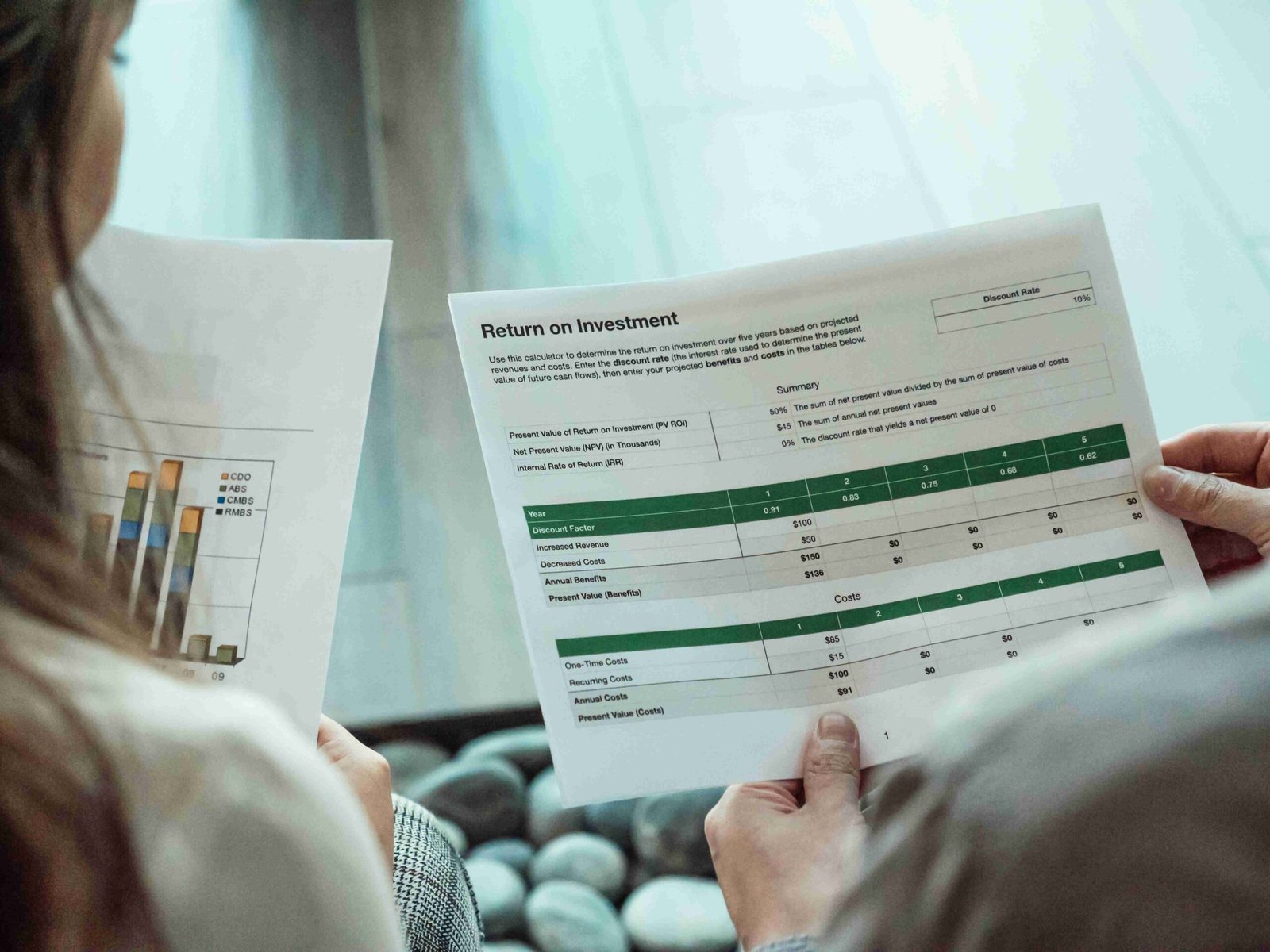
Financial forecasting is not just another bookkeeping task; it is a critical component in guiding small businesses toward success. By accurately predicting future revenue and expenses, small business owners can make informed decisions that drive growth and sustainability. Understanding why financial forecasting matters can empower business owners to seize opportunities, mitigate risks, and build a solid foundation for their future.
Table of Contents
- Unlocking potential and securing growth through strategic financial planning
Understanding Financial Forecasting
Financial forecasting is a critical tool for small businesses aiming to navigate their financial landscape effectively. It involves estimating future financial outcomes based on historical data, market trends, and economic conditions. This predictive analysis helps answer essential questions: How much revenue can we expect next quarter? Will we have enough cash flow to cover upcoming expenses? These inquiries are crucial for any business looking to thrive.
Understanding why financial forecasting is important for small businesses can significantly influence how a company allocates resources and manages expenditures. By employing methods like sales forecasts and cash flow projections, businesses gain insights that drive strategic decision-making. Furthermore, accurate forecasts can warn of potential cash flow shortages before they become problematic, enabling timely corrective actions.
Types of Financial Forecasts
There are several types of forecasts important for small businesses, including but not limited to:
- Sales Forecasts: These predict future sales based on past performance, seasonal trends, and market dynamics.
- Cash Flow Projections: These estimates future cash inflows and outflows, showing how much cash will be available at any given time.
- Expense Projections: These outline anticipated costs to ensure that a business can budget properly and monitor spending against those estimates.
Each of these forecasts serves a distinct purpose, and their combination offers a comprehensive overview of a business’s financial health. The accuracy of these projections directly impacts the overall strategy of the business.
Tools and Methods for Financial Forecasting
Creating effective financial forecasts typically requires a mix of qualitative and quantitative methods. Small businesses can leverage various tools, including:
- Spreadsheet Software: Tools like Excel allow for detailed financial modeling and scenario analysis.
- Accounting Software: Many platforms offer built-in forecasting features that help automate the process.
- Industry Reports: Access to current market analyses can enhance the quality and precision of forecasts.
Moreover, engaging with financial professionals can assist in refining these forecasts and aligning them with strategic objectives. For small business owners, understanding how forecasting helps small business growth cannot be overstated—it’s about making informed decisions based on where you’ve been and where you can go.
By implementing these forecasting techniques, small business owners can seize opportunities, minimize risks, and ultimately pave the way for sustainable growth and profitability. To explore how financial forecasting can specifically benefit your small business, consider reaching out to Apex Accounting for a consultation today.
Benefits of Financial Forecasting for Small Businesses
Financial forecasting is a powerful tool for small businesses, significantly influencing strategic decision-making and operational efficiency. Understanding why financial forecasting is important for small businesses is essential for owners who want to foster growth and sustainability. Accurate forecasts can transform potential challenges into actionable insights, creating a roadmap for business success.
One of the primary benefits of financial forecasting for small businesses is improved **budget creation**. By analyzing projected revenues and expenditures, small business owners can allocate resources more effectively. This proactive approach leads to better control over finances and minimizes the chances of unwelcome surprises. A well-structured budget enables owners to plan for seasonal fluctuations, declines in sales, or unexpected expenses, ensuring that the business remains solvent and operational.
Additionally, **risk management** becomes more manageable through financial forecasting. By anticipating potential threats and financial pitfalls, small businesses can take necessary precautions. Whether it’s a downturn in the economy or changes in market conditions, forecasts provide insights into potential challenges, allowing businesses to adapt their strategies. This foresight enables organizations to streamline operations and adjust spending, thereby safeguarding their cash flow.
Moreover, financial forecasting plays a crucial role in **goal setting**. Clear financial objectives rooted in realistic forecasts can inspire teams and align efforts towards common goals. Setting informed targets based on data reinforces accountability among team members, making it easier to measure performance.
When it comes to cash flow management, the importance of financial forecasting cannot be understated. **Effective cash flow management** ensures that a business can meet its obligations while planning for growth. Accurate predictions assist in identifying periods of excess or shortfall in cash, enabling timely adjustments in spending or investment strategies. Furthermore, these projections are vital when seeking funding, as lenders typically look for demonstrated financial prudence and a clear understanding of future financial conditions.
Alongside these operational advantages, forecasting helps in **investment decisions**. With insights into future revenue streams and operational costs, small business owners can assess the viability of potential investments. Understanding the impact of these decisions on the overall financial health of the business empowers owners to make informed choices that promote long-term success.
In conclusion, leveraging the benefits of financial forecasting for small businesses yields profound improvements across budgeting, risk assessment, and overall financial strategy. If you’re looking to enhance your financial management processes and uncover growth opportunities for your business, consider getting in touch with Apex Accounting. Our expert team can provide guidance tailored to your specific needs and help you effectively implement financial forecasting strategies. Reach out to us for a consultation today at Apex Accounting.
How Forecasting Helps Small Business Growth
Financial forecasting is a vital tool that can significantly drive the growth of small businesses. Understanding *why financial forecasting is important for small businesses* is crucial for entrepreneurs aiming to thrive in competitive environments. By providing a roadmap for expected revenue, expenses, and cash flow, forecasting empowers business owners to make informed strategic decisions.
Consider how forecasting impacts several key areas of business growth:
- Strategic Planning: Accurate financial forecasts allow small business owners to set realistic long-term goals. Through understanding market trends and customer behavior, they can allocate resources efficiently and identify the right timing for expansion or investment opportunities.
- Resource Allocation: By predicting future cash needs, businesses can prioritize spending on critical areas, whether it’s hiring new staff, investing in marketing, or upgrading equipment. This proactive approach minimizes waste and maximizes returns.
- Market Analysis: Financial forecasting aids in understanding competitive landscapes. Businesses can analyze external economic factors, adjusting their strategies to mitigate risks or capitalize on emerging opportunities.
Numerous businesses have successfully leveraged financial forecasting to drive growth. For example, a small marketing agency utilized forecasts to gauge monthly project revenues accurately. With this information, they were able to expand their workforce precisely when demand surged, resulting in a 30% increase in client acquisition within six months. This case perfectly illustrates the *benefits of financial forecasting for small businesses*, as it enables timely action based on projected needs.
Another powerful example is a local bakery that used forecasting to manage seasonal fluctuations. By analyzing historical sales data, they predicted a spike in demand during holidays. This foresight allowed them to prepare in advance, ensuring adequate inventory and staffing. As a result, they not only met customer demand but also expanded their offerings, leading to lasting growth.
For small businesses aiming to enhance their growth trajectory, implementing effective financial forecasting strategies is essential. It not only helps to identify potential challenges but also uncovers paths for innovation and improvement. By adopting this practice, entrepreneurs can better navigate uncertainties, making the most of available resources.
If you’re ready to take your financial forecasting to the next level, Apex Accounting is here to help. Our team of experts can walk you through developing accurate forecasts tailored to your unique business needs. Don’t leave your growth to chance—get in touch with us for a consultation today! Visit us at Apex Accounting.
Common Mistakes in Financial Forecasting
Financial forecasting is a critical component in the strategic toolkit of small businesses. However, many entrepreneurs stumble onto common pitfalls that lead to inaccurate projections. Understanding these missteps can illuminate *why financial forecasting is important for small businesses* and help sharpen your strategy.
One of the most prevalent errors is overestimating inflow. Small business owners often project higher sales than their products or services can realistically achieve. An optimistic sales forecast, while encouraging, can lead to financial strain when expectations don’t match reality. Instead, consider setting conservative estimates based on historical performance within your market.
Neglecting Market Changes
Ignoring external market factors is another common mistake. The business landscape is dynamic. Changes in industry trends, economic conditions, and competitive actions can significantly impact revenue. Failing to account for these variables can skew financial forecasts. To mitigate this risk, regularly review market research and adjust forecasts accordingly. This vigilance not only enhances accuracy but also underscores the *benefits of financial forecasting for small business* vitality.
Importance of Regularly Updating Forecasts
Another critical step often overlooked is the necessity of regularly updating financial forecasts. Static forecasts can quickly become irrelevant as businesses evolve. It’s crucial to revisit and revise forecasts on a scheduled basis, tracking actual performance against your predictions. This practice allows you to identify discrepancies early and make necessary adjustments, ultimately reinforcing the effectiveness of your financial strategy.
To avoid the typical forecasting missteps, small business owners can take a few practical steps:
- Analyze historical data for more realistic inflow estimates.
- Stay informed about market trends and adjust forecasts in response.
- Establish a regular review schedule for updates to your financial forecasts.
- Seek professional guidance to enhance forecasting accuracy and insights.
By overcoming these hurdles, you can leverage *how forecasting helps small business growth* and embrace a sense of control over financial trajectories. Apex Accounting offers expert assistance in refining forecasting practices, making sure you navigate the complexity of financial projections with confidence.
For those ready to improve their financial forecasting methods or needing expert insights, don’t hesitate—get in touch with us for a consultation today! Visit our contact page [here](https://apexaccountingpro.com/contact/) to learn more about how we can help you achieve your business goals.
Crafting Your Financial Forecast
Creating an effective financial forecast is a transformative tool for small businesses. By understanding why financial forecasting is important for small businesses, business owners can strategically plan for growth and navigate uncertainties.
The first step is data collection. Gather historical financial data, including revenue, expenses, and previous budget forecasts. This data is the foundation of your financial forecast. Consider using accounting software to easily track and compile this information, as this will make your analysis smoother and more accurate.
Next, set realistic goals based on the data you’ve collected. It’s essential to align your financial goals with your business’s overall objectives. Consider the following points to ensure meaningful targets:
- Review industry benchmarks and trends.
- Assess internal performance and past challenges.
- Factor in cyclical and seasonal trends affecting your business.
Having clear goals makes it easier to track progress and adjust your strategy as needed.
Utilizing forecasting software can significantly enhance your financial forecasting capabilities. These tools can automate data entry, provide visualizations, and generate reports that help you analyze different scenarios. When choosing software, look for features that suit your specific business needs—for example, the ability to forecast cash flow and project revenue growth.
While crafting your forecast, remember the benefits of financial forecasting for small businesses. Financial forecasting not only guides your operational strategies but also helps articulate your business plan to potential investors. When well-executed, it boosts credibility and attracts support for your business endeavors.
That being said, don’t hesitate to seek professional help from reliable accounting services like Apex Accounting. They can ensure that your financial forecast is accurate and compliant, allowing you to focus on growth instead of getting mired in complex calculations.
Leverage the power of accurate financial forecasting to unlock your business’s growth potential. By integrating insightful data analysis, setting realistic goals, and utilizing appropriate software, you can effectively plan for the future. If you’re ready to elevate your financial strategies, contact Apex Accounting for a consultation today. Explore the possibilities here: Apex Accounting.
Conclusion
Mastering financial forecasting is essential for small businesses aiming for sustainable growth. By understanding the significance of projections, identifying common mistakes, and leveraging accurate forecasting methods, business owners can navigate the complexities of the market with confidence. Remember, the right financial insights lead to informed decisions that can propel your business forward. How will you integrate forecasting into your business planning and strategy?
Frequently Asked Questions
What is financial forecasting?
Financial forecasting is the process of estimating future financial outcomes based on historical data and various assumptions. It helps businesses plan budgets and financial strategies.
Why is financial forecasting important for small businesses?
It provides clarity on expected revenue and expenses, allowing businesses to make informed decisions, allocate resources effectively, and mitigate potential risks.
How often should I update my financial forecast?
Financial forecasts should be reviewed and updated regularly, ideally monthly or quarterly, to reflect changes in market conditions or business performance.
What tools can I use for financial forecasting?
Common tools include spreadsheet software (like Excel), accounting software with forecasting features, and dedicated forecasting software.
Can I do financial forecasting myself?
While you can create forecasts on your own, consulting with financial professionals like those at Apex Accounting can enhance accuracy and provide valuable insights.
What are some common mistakes in financial forecasting?
Overestimating income, ignoring market trends, and failing to update forecasts regularly are common pitfalls that can undermine the accuracy of forecasts.
How can I ensure my financial forecast is accurate?
Utilize historical data, incorporate industry trends, perform regular reviews, and seek professional assistance to enhance the precision of your forecasts.
Excellent article! We will be linking to this particularly great article on our website.
Keep up the great writing.
Thank you, appreciated 🙂