

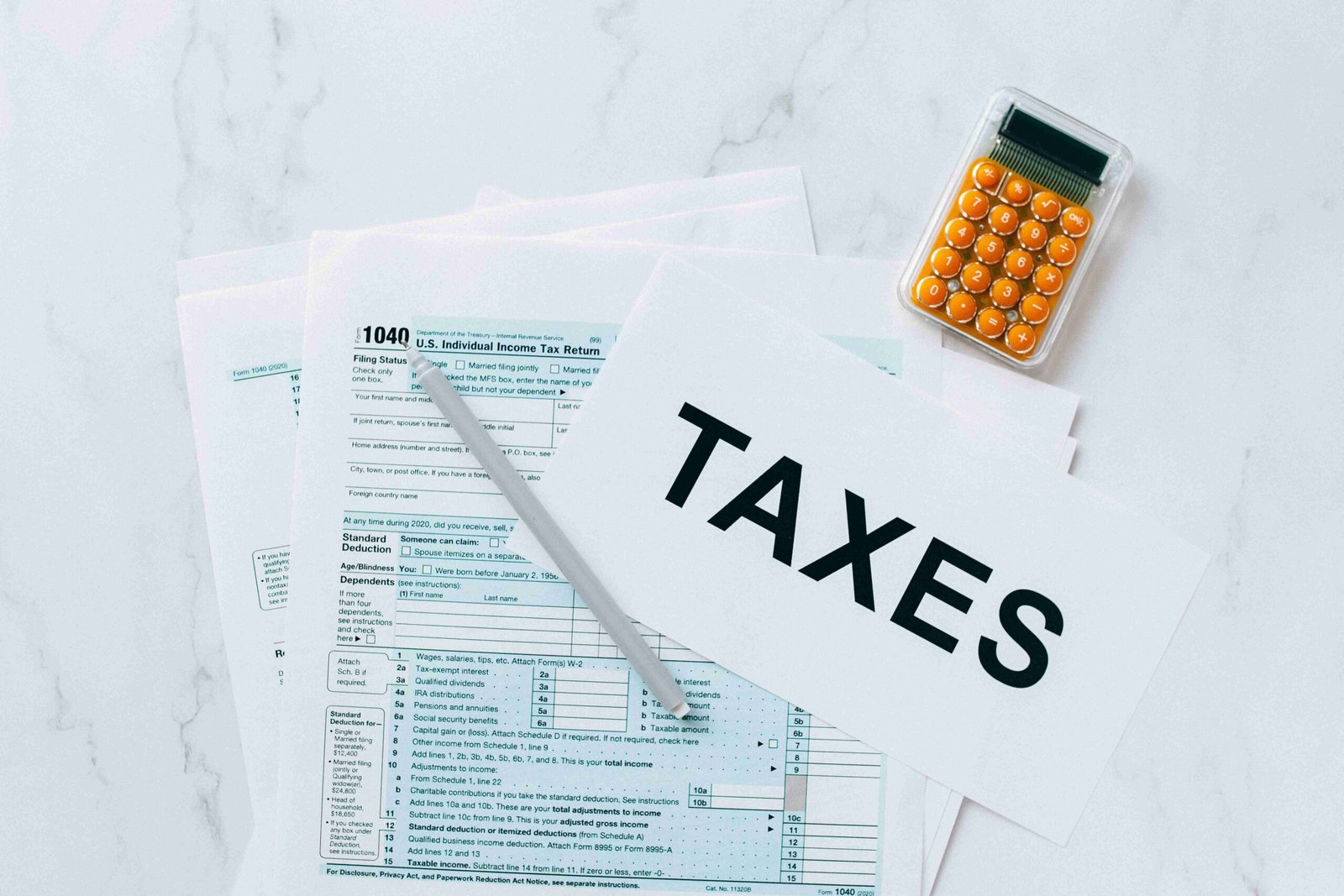
Immediate steps, penalty reduction tactics, and a recovery roadmap for small business owners
Missing a tax deadline happens—even to careful small business owners. The key is how you respond. This guide walks you through practical, prioritized steps to limit penalties, protect cash flow, and restore compliance. You will learn what to do the moment you realize a return or payment is late, how to negotiate with tax authorities, and when to bring in a professional. Clear action beats panic—let’s map your recovery plan.
First Response When You Realize You Missed a Tax Deadline
The moment you discover a missed tax deadline, act with focus. The first few hours set the tone for damage control. Treat this like triage: confirm, gather, estimate, and commit to a short plan.
Confirm what’s late. Identify the specific return or payment. Federal, state, payroll, and sales tax have different rules. Use recent notices or your accounting software to verify which filing or deposit is past due.
- Which return or payment is late?
- What was the original due date?
- Has the IRS or state sent a notice?
Gather supporting documents. Pull bank statements, payroll reports, invoices, and previous returns. These records let you quickly calculate liabilities and reduce errors when you file late.
Estimate taxes owed. Use conservative figures. Estimate owed taxes and expected penalties and interest. This helps you decide if you should pay now and how much.
Set a short action timeline. Create a clear 3–7 day plan with prioritized tasks. Assign who will prepare the return, who will arrange payment, and when you’ll confirm submission.
- Day 1: Confirm what’s late and collect docs
- Day 2–3: Prepare or estimate the filing
- Day 4–7: File or arrange payment, confirm receipt
Practical tips to stop more harm: pay what you can immediately to limit interest. Preserve digital and paper records for any penalty abatement requests. Communicate with vendors, employees, or lenders if cash flow will be affected.
If you’re wondering what to do if you miss a small business tax deadline or how to handle missed tax deadlines for business, Apex Accounting can help with rapid assessment and emergency bookkeeping to prepare accurate filings. For immediate support, contact us.
Filing Late Returns and Paying What You Can
When facing a missed tax deadline, file the correct return as soon as possible. Use the return for the tax period that’s late. Common small business forms include:
- Schedule C (sole proprietors)
- Form 1120 (C corporations)
- Form 1120-S (S corporations)
- Form 1065 (partnerships)
- Form 941 or 944 and Form 940 (payroll and federal unemployment)
Filing accurately stops the automatic growth of the failure-to-file penalty. The failure-to-file penalty generally runs higher than failure-to-pay. Submitting a return, even without full payment, limits failure-to-file charges. This is a key step in the steps to fix a missed tax deadline for small business.
Payment options to consider include:
- Paying in full. This stops interest and penalties from growing further.
- Making a partial payment now. It reduces interest and failure-to-pay penalties immediately.
- Requesting an installment agreement. The IRS online agreement tool lets many businesses arrange monthly payments.
Timelines and accrual: interest accrues from the original due date until full payment. Interest compounds daily. Penalties typically accrue monthly. Failure-to-file can be about 5% per month up to 25%. Failure-to-pay is lower, often about 0.5% per month until capped.
For certain taxes, like payroll, timelines and allowance for installment plans are stricter. If you need guidance on how to handle missed tax deadlines for business or what to do if you miss a small business tax deadline, consult a professional.
Apex Accounting can prepare late returns, reconcile accounts, and set up formal payment plans. For practical last-minute filing tips see last-minute tax filing tips for small businesses. To arrange help with late tax filing and the next steps to fix a missed tax deadline for small business, contact us: https://apexaccountingpro.com/contact/
Minimizing Penalties and Requesting Penalty Abatement
Strategies to Reduce Penalties and Interest
- First-time penalty abatement — If your business has a clean prior history, the IRS or state may waive penalties once. This applies to first instances of failure to file or pay.
- Reasonable cause arguments — Show events beyond your control. Examples: serious illness, natural disaster, or major bookkeeping failure despite due diligence.
- Corrected returns — File an accurate amended return quickly. Correcting errors reduces ongoing accruals and strengthens abatement requests.
- Penalty appeals — If initial requests are denied, you can escalate. Prepare a formal appeal with clear timelines and evidence.
Documentation, Timeline, and Success Factors
Successful abatement relies on clear records and a tight timeline. Start by compiling all relevant documents immediately.
- Copies of filed and amended returns
- Proof of payments and bank records
- Correspondence with tax authorities and notices
- Supporting evidence for reasonable cause (medical records, insurance claims, repair invoices)
Typical timeline: request submission within 60 days improves outcomes. First-time abatements often resolve in 30–90 days. Reasonable-cause claims may take longer, depending on review.
Success factors include prompt action, a documented history of tax compliance, and demonstrable efforts to correct the missed tax deadline. For guidance on preventing future misses, see the importance of filing on time.
Professional Representation and How Apex Accounting Helps
Professional representation improves outcomes. Apex Accounting prepares abatement requests, compiles evidence, and communicates with IRS or state agents. We frame reasonable cause arguments, file corrected returns, and manage appeals.
When you’re deciding what to do if you miss a small business tax deadline, having experienced help speeds resolution and protects cash flow. Contact Apex Accounting for small business tax help and to start the abatement process: Get a consultation.
Types of Notices and Recommended Actions
- Balance-due notice (CP14 or state equivalent) — Pay promptly or set up a payment plan. Document bank transfers and request confirmation.
- Proposed changes (CP2000) — Compare IRS figures to your records. File an amended return if correct.
- Audit or examination notice — Provide only requested documents. Limit explanations to facts.
- Notice of intent to levy or lien — Act immediately. Request a hold while you pursue installment agreement or offer in compromise.
- Missing information or information return mismatch — Reconcile payroll or 1099s and respond with proof.
Best Practices for Responding to IRS and State Notices
- Read notice thoroughly and note the deadline.
- Don’t ignore notices; doing so escalates late tax filing and collections.
- Respond in writing and keep copies of all correspondence.
- Use certified mail or secure e‑file channels when submitting documents.
- Request penalty abatement if you have reasonable cause or prior compliance.
- When uncertain, seek small business tax help before replying.
Avoiding Aggressive Collection Steps and Requesting Holds
- Request a temporary hold if you need time to gather records.
- Apply for an installment agreement to stop levies.
- Ask for a collection due process hearing if threatened with lien.
- Negotiate offers in compromise only with proper financial statements.
Audit Triggers and How Organized Bookkeeping Reduces Exposure
Common audit triggers include large deductions, repeated losses, mismatched 1099s, and cash-heavy receipts. Accurate bookkeeping for small business reduces these risks.
- Consistent reconciliation lowers mismatch flags.
- Clear receipts and categories defend deductions.
- Payroll compliance avoids employment tax audits.
For complex notices, audits, or negotiation of payment arrangements, Apex Accounting can handle correspondence, represent you, and pursue penalty abatement. For practical guidance on preparing your records, see how to prepare for your business’s tax filing season. This support simplifies what to do if you miss a small business tax deadline and the next steps to fix it.
Fixing Root Causes to Prevent Future Missed Deadlines
- Centralized bookkeeping — Consolidate records into one system and one responsible person. Centralization reduces lost invoices and misclassified expenses. It makes reviews faster and flags missing data before filing. This limits scramble periods and helps with how to handle missed tax deadlines for business by removing fragmentation that causes delays.
- Cloud accounting setup — Move books to the cloud for real-time access and secure backups. Cloud tools show up-to-date balances and outstanding taxes. They reduce last-minute surprises and improve cash flow forecasting. Apex Accounting offers cloud setup and training to make this transition seamless. Learn more about automated accounting benefits here.
- Recurring calendar reminders — Build automated reminders for filings and payments. Use multiple alerts: owner, bookkeeper, and finance lead. Reminders force small checkpoints throughout the quarter. They prevent missed deadlines and make the steps to fix a missed tax deadline for small business less likely to be needed.
- Payroll automation — Automate with withheld taxes calculated and deposited on schedule. Automation reduces human error and late payroll tax deposits. Payroll automation improves forecasting by locking in predictable payroll liabilities. Apex Accounting’s payroll management stabilizes payroll flows and avoids surprise liabilities.
- Quarterly tax planning — Run quarterly reviews to project tax owed and required deposits. Plan for seasonality and one-time events. Quarterly planning improves cash flow projections and gives you time to fund liabilities. Apex Accounting provides tax planning and monthly reconciliations to create permanent protections that address root causes.
These operational fixes are concrete steps you can take now. They form a system that answers what to do if you miss a small business tax deadline by preventing recurrence and improving cash forecasts.
When to Escalate to Professional Help
Recognize the warning signs quickly. Missing a tax deadline is fixable, but certain signals mean you should hire help now. Acting fast limits penalties and protects cash flow.
- Mounting notices from the IRS or state tax agencies
- Complex tax positions or multiple entity filings
- Suspected or notified audit activity
- Inability to pay taxes owed
- Limited internal resources or no experienced bookkeeper
Each sign changes how you handle the situation. If notices pile up, you need a strategist. If taxes are large and complex, you need a technical expert. These are classic triggers for small business tax help and clear answers to what to do if you miss a small business tax deadline.
What to Expect from an Advisor
A good advisor delivers clear remediation and long-term prevention. Expect accurate late filings prepared on your behalf. They will assemble records, correct payroll or sales tax mistakes, and file missing returns promptly.
- Accurate late filings and corrected returns
- Negotiation with authorities, including offers and installment agreements
- Requests for penalty abatement and reduction strategies
- Audit support if an examination occurs
- A tailored compliance and bookkeeping plan to prevent recurrence
When you engage Apex Accounting, you get a dedicated account manager who coordinates these actions. Our team provides stress free tax filing, audit support, and tailored bookkeeping to prevent recurrence. We handle the negotiation, set up installment agreements, and build a future-ready compliance plan.
For guidance on preparing filings and avoiding future misses, see our practical walkthrough here: how to prepare for your business’s tax filing season. This helps when learning how to handle missed tax deadlines for business and the steps to fix a missed tax deadline for small business.
Action Plan and Next Steps
If you have a missed tax deadline, act now. Fast, decisive steps reduce penalties and stop collection actions. Below is an ordered, practical plan to fix a late tax filing.
Ordered Action Steps
- Step 1 — File delinquent returns immediately. Timeline: within 5–10 business days. Filing limits interest and future audit risk. Who: owner or accountant.
- Step 2 — Pay what you can now. Timeline: within 10–14 days. Partial payments reduce penalties and interest accrual. Who: business owner or bookkeeper.
- Step 3 — Request an installment agreement if you can’t pay in full. Timeline: apply within 14–30 days. The IRS and states offer payment plans for businesses.
- Step 4 — Request penalty abatement for reasonable cause. Timeline: prepare documentation and request within 30–60 days. Grounds include natural disasters or reliance on flawed advisor.
- Step 5 — Improve bookkeeping for future compliance. Timeline: implement within 30 days. Accurate records prevent repeat missed deadlines.
These steps explain what to do if you miss a small business tax deadline and outline how to handle missed tax deadlines for business practically. For complex cases, retain expert help. Professionals speed resolution, lower penalties, and restore tax compliance more reliably than DIY attempts.
Apex Accounting provides dedicated support for late tax filing, negotiation with authorities, penalty abatement requests, and tailored bookkeeping for small business tax help. Expect faster outcomes, reduced penalties, and ongoing tax compliance. Learn how Apex can help: https://apexaccountingpro.com/contact/
Checklist You Can Follow Today
- Gather prior year documents and payroll records.
- File missing returns within 5–10 days.
- Make a partial payment within 14 days.
- Apply for an installment plan if needed.
- Prepare a penalty abatement request with proof.
- Set up bookkeeping for small business to prevent recurrence.
Conclusion
Missing a tax deadline does not mean the end of the road for your business. With fast, organized action you can minimize penalties, set up payment plans, and regain compliance. Strengthening bookkeeping, adopting cloud accounting, and scheduling regular tax planning with a trusted advisor reduces future risk. Apex Accounting offers the hands on support and systems to fix the immediate problem and protect your business going forward. What step will you take first to get back on track?
Frequently Asked Questions
What immediate steps should I take after a missed tax deadline
Stop the panic and act. Gather the missed return, payment records, and notices. Calculate estimated tax owed and any payments you can make now. File the missing return as soon as possible—filing late often reduces penalties versus not filing at all. Keep documentation of why you missed the deadline; it may support a reasonable cause request.
Will I face penalties and interest for a missed tax deadline
Yes. The IRS and state agencies typically assess failure to file and failure to pay penalties plus interest on unpaid balances. Penalties grow over time, so filing and paying quickly limits cost. If you have a valid reason, you may qualify for penalty abatement or reduction.
How to handle notices from tax authorities after a missed tax deadline
Read notices carefully and respond promptly. Some notices demand payment, others request documents. Do not ignore them. If a notice is confusing or you fear an audit, get professional representation to communicate with the agency and protect your rights.
Can I set up a payment plan for missed taxes
Yes. The IRS and many state tax agencies offer installment agreements and short term extensions. Apply as soon as you can—online or with professional help—to reduce collection action. A payment plan also stabilizes cash flow while you work on bookkeeping and forecasting improvements.
What qualifies me for penalty abatement for a missed tax deadline
Penalty abatement may be available for first time penalty abatement, reasonable cause (serious illness, disaster), or administrative waivers. You need documentation and a clear explanation. A qualified advisor can assess eligibility and prepare the request to improve success odds.
When should I hire a professional after missing a tax deadline
If penalties or interest are significant, notices escalate, or you lack time to resolve filing and reconciliation, hire a professional. Apex Accounting can file late returns, open payment plans, handle tax authority correspondence, and build bookkeeping and payroll processes to prevent recurrence.