

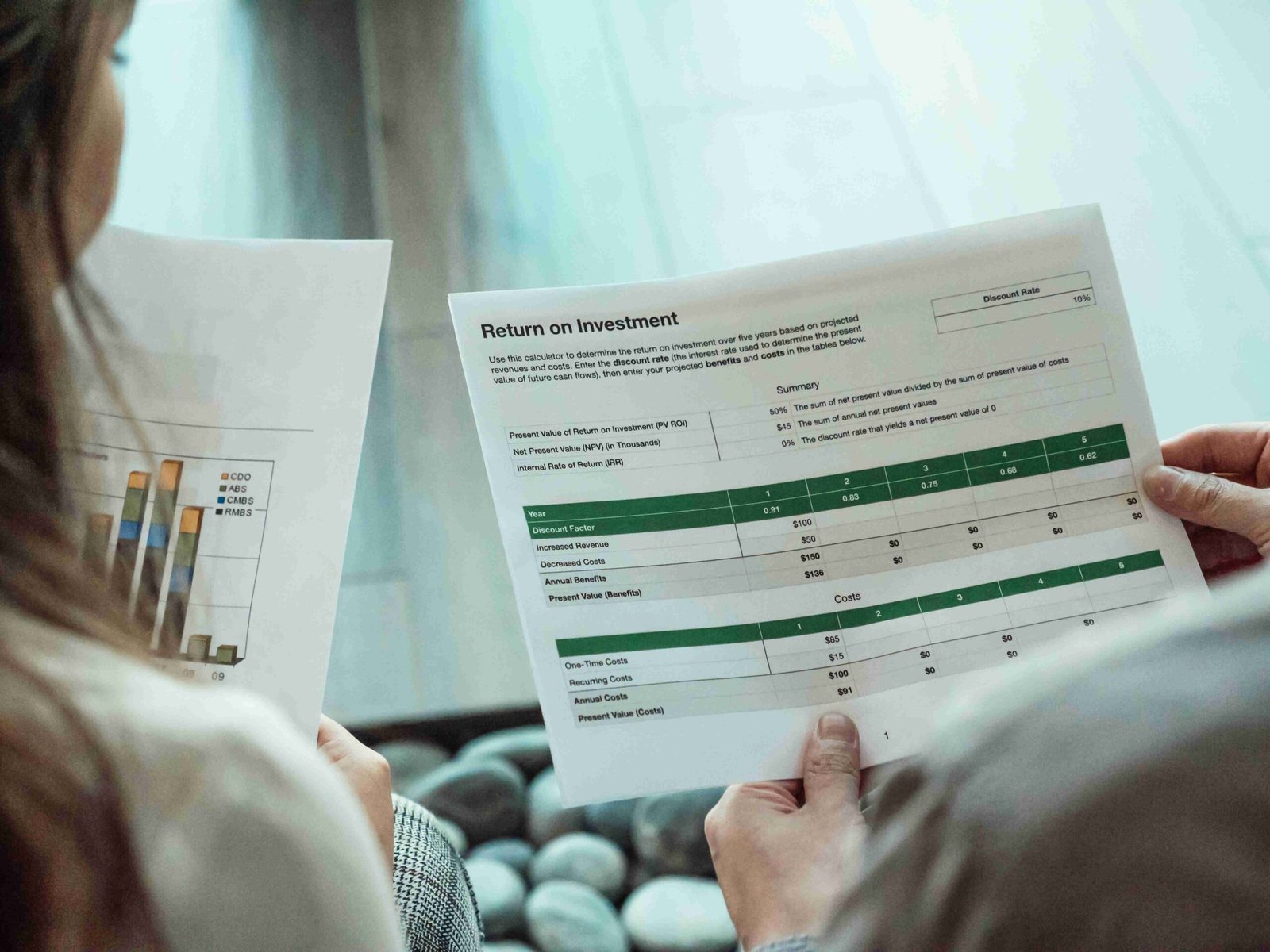
Strategic Financial Forecasting: Charting a Course for Small Business Prosperity
Unlock sustainable growth and maximize ROI with proactive financial forecasting. Discover why financial forecasting is important for small businesses.
In this guide:
- → The Core Principles of Financial Forecasting: A Strategic Imperative
- → Why Financial Forecasting is Important for Small Businesses: Minimizing Risk and Maximizing Opportunities
- → Unlocking Growth Potential: How Forecasting Helps Small Business Growth
- → The Benefits of Financial Forecasting for Small Business: Cash Flow Optimization and Working Capital Management
- → Data-Driven Decision-Making: Leveraging Financial Forecasts for Strategic Planning
- → Financial Forecasting as a Tool for Securing Funding and Attracting Investors
- → Implementing a Seamless Financial Forecasting Process: Best Practices and Tools
The Core Principles of Financial Forecasting: A Strategic Imperative
Financial forecasting transforms historical financial data into actionable future insights through systematic analysis and projection. For small businesses, this process involves examining key metrics like Working Capital, Operating Cash Flow, and Revenue Growth Rate to create reliable business predictions.
The most effective forecasting methods align with your business scale and sector. Small retail operations often benefit from Trend Analysis, which examines seasonal patterns and year-over-year growth. Manufacturing or service-based companies typically require more sophisticated Scenario Planning to account for variable costs and market fluctuations. Each approach should incorporate both internal performance metrics and external market indicators to maintain accuracy.
Key forecasting components to monitor:
- Current Ratio for immediate financial health
- Accounts Receivable Turnover to predict cash flow
- Gross Profit Margin trends for pricing strategy
- Operating Expense Ratio for cost control
Why Financial Forecasting is Important for Small Businesses: Minimizing Risk and Maximizing Opportunities
Financial forecasting serves as a critical early warning system for small businesses, helping owners spot potential challenges before they become crises. By analyzing historical data and market trends, businesses can better predict and prepare for fluctuations in Working Capital needs and Cash Flow demands. This proactive approach enables smarter decisions about inventory management, staffing levels, and capital investments.
Effective forecasting also positions businesses to capitalize on growth opportunities with confidence. Whether it’s expanding into new markets or investing in equipment, understanding your future financial position helps determine if you can afford to seize opportunities while maintaining healthy Liquidity Ratios. Key areas to monitor include:
- Revenue trends and seasonal patterns
- Fixed and variable cost projections
- Debt Service Coverage Ratio
- Emergency fund requirements
Unlocking Growth Potential: How Forecasting Helps Small Business Growth
Financial forecasting transforms raw data into strategic growth opportunities by enabling precise resource allocation and informed investment decisions. When businesses map their expected cash flows against potential expansion costs, they can confidently pursue growth initiatives while maintaining healthy working capital. For example, a retail business planning to open a second location can project startup costs, expected revenue ramps, and operational expenses to determine optimal timing and funding needs.
Smart forecasting directly impacts four critical growth areas:
- Capital Expenditure planning for equipment and facilities
- Staffing requirements and timing based on projected demand
- Inventory management aligned with sales forecasts
- Cash Flow optimization for seasonal fluctuations
Accurate financial projections help businesses avoid common growth pitfalls like overextension or missed opportunities. By analyzing historical data and market trends, companies can create realistic growth targets and develop strategic timing for expansions, equipment purchases, or hiring initiatives.
The Benefits of Financial Forecasting for Small Business: Cash Flow Optimization and Working Capital Management
Effective financial forecasting directly impacts your business’s working capital management and helps prevent costly cash flow gaps. By mapping future income against expenses, you can identify potential shortfalls before they become critical issues. This proactive approach allows you to maintain healthy vendor payment cycles while optimizing your accounts receivable timeline.
Smart forecasting practices help you master these essential elements of cash flow:
- Track Current Ratio to maintain optimal liquidity levels
- Monitor Days Sales Outstanding to accelerate cash conversion
- Analyze seasonal revenue patterns to adjust inventory purchases
- Project tax obligations to prevent unexpected cash drains
Accurate forecasting transforms reactive financial management into strategic planning. When combined with automated AP/AR systems, you can dramatically improve cash flow predictability. Our accounts management platform streamlines invoice processing and vendor payments, helping maintain strong supplier relationships while protecting your working capital position.
Data-Driven Decision-Making: Leveraging Financial Forecasts for Strategic Planning
Smart financial forecasting transforms raw numbers into strategic insights that drive business growth. By analyzing patterns in your Working Capital, sales cycles, and expense trends, you can make informed decisions about resource allocation and growth initiatives. This systematic approach helps identify seasonal fluctuations, allowing you to adjust inventory levels, staffing, and marketing spend accordingly.
Effective forecasting connects directly to key business metrics through:
- Revenue Projections to optimize pricing strategies
- Cash Flow Analysis to time major purchases or expansions
- Operating Expense Tracking to identify cost-saving opportunities
- Profit Margin Monitoring to guide product development
When properly implemented, these forecasts become your business’s financial GPS, guiding everything from daily operations to long-term strategic planning. For businesses ready to move beyond basic projections, Apex Accounting’s CFO-level advisory services can help develop sophisticated forecasting models aligned with your growth objectives.
Financial Forecasting as a Tool for Securing Funding and Attracting Investors
When approaching lenders or investors, your financial forecast serves as your business’s economic blueprint. A well-structured forecast demonstrates fiscal responsibility and strategic thinking, two qualities that significantly influence funding decisions. Successful funding applications typically showcase detailed projections of Working Capital needs, Cash Flow Statements, and clear growth trajectories backed by market research.
Financial institutions and investors scrutinize four critical elements in forecasts:
- Detailed Revenue Projections with documented growth assumptions
- Comprehensive Cost Analysis including fixed and variable expenses
- Break-even Analysis with sensitivity testing
- Clear Debt Service Coverage Ratio calculations
A professional forecast transforms raw numbers into a compelling growth narrative. By presenting realistic scenarios and demonstrating thorough financial planning, businesses significantly improve their chances of securing necessary capital. Our CFO-level advisory team at Apex Accounting specializes in creating investment-grade forecasts that meet strict institutional standards.
Implementing a Seamless Financial Forecasting Process: Best Practices and Tools
Creating accurate financial forecasts requires a systematic approach built on reliable data and consistent monitoring. Start by establishing a robust data collection framework that captures key metrics like cash flow, accounts receivable aging, and operating expenses. Modern accounting software streamlines this process — QuickBooks integration can automate data gathering while ensuring accuracy across all financial statements.
The foundation of effective forecasting lies in selecting appropriate modeling methods and validation techniques. Consider these essential components:
- Historical financial data (minimum 24 months)
- Market trend analysis and seasonal patterns
- Working capital requirements
- Revenue projection models based on sales pipeline
Regular forecast reviews are crucial for maintaining accuracy. Monthly comparisons between projected and actual figures help identify variances and adjust assumptions accordingly. While basic spreadsheets can work for simple forecasts, growing businesses often benefit from specialized tools that offer advanced modeling capabilities and real-time updates.
Frequently Asked Questions
What is the ideal timeframe to set up financial forecasting for my small business?
Ideally, a 12-month financial forecast should be created and monitored by your financial advisor. Apex Accounting can manage your financial forecast and help make adjustments on a monthly or quarterly basis in order to help your business make strategic decisions.
How often should I update my financial forecasts?
Financial forecasts should be reviewed and updated at least quarterly, or more frequently if there are significant changes in the business environment or internal operations. Apex Accounting can provide routine upkeep for you and your business.
What are some common mistakes to avoid when creating financial forecasts?
Common mistakes include overly optimistic assumptions, neglecting to consider potential risks, and failing to validate the forecast against historical data. Our team at Apex Accounting will help go over any of these mistakes, and implement industry-proven successful strategies.
Excellent article! We will be linking to this particularly great article on our website.
Keep up the great writing.
Thank you, appreciated 🙂