

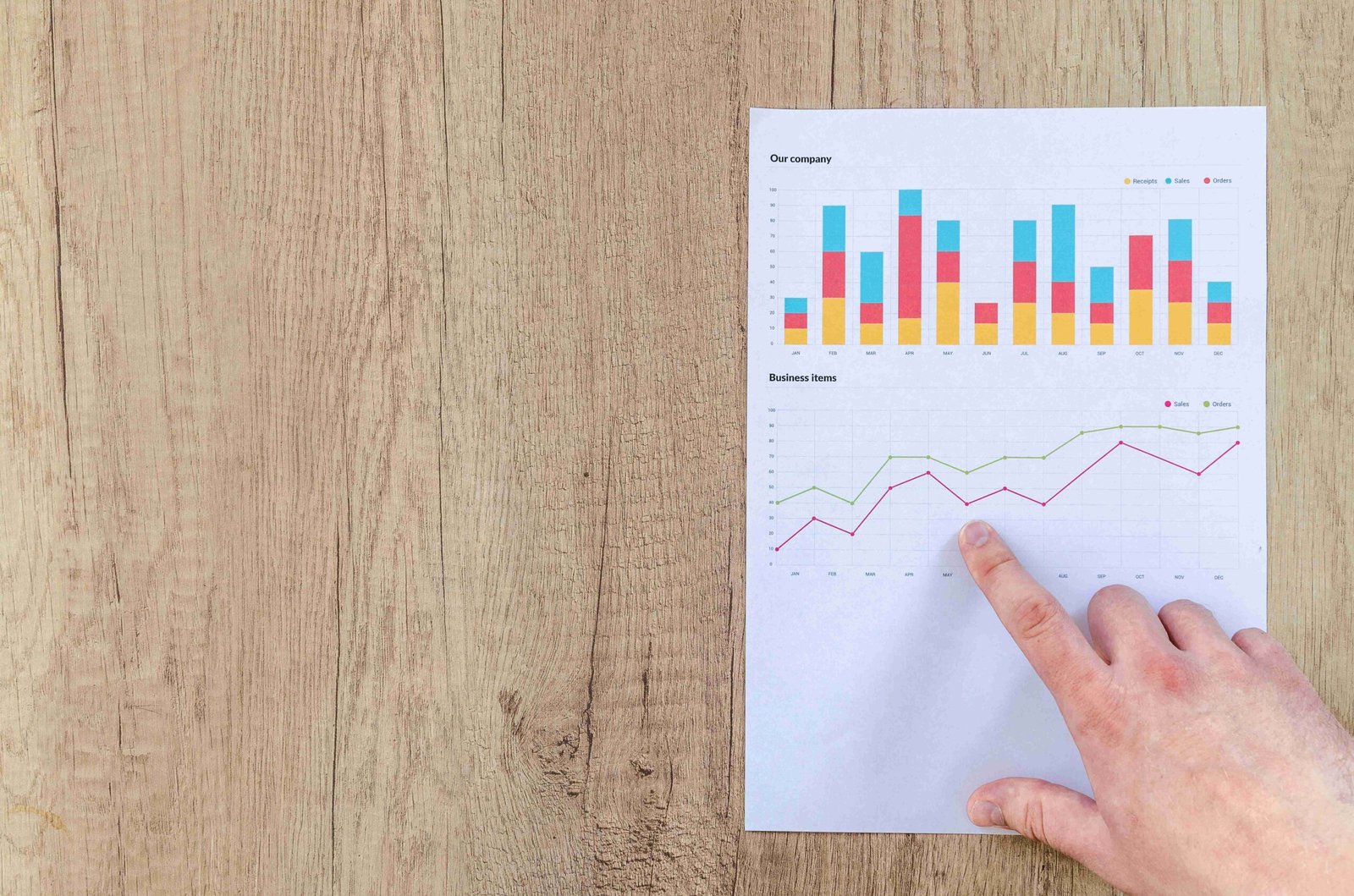
Evaluate Cash Flow Forecast for 2026 A Small Business Playbook

An image illustrating Evaluate Cash Flow Forecast for 2026 A Small Business Playbook

Financial Management


Practical steps to evaluate cash flow forecast, reduce surprises, and keep your business liquid in 2026


Forecasts are only useful when they hold up to scrutiny. This guide shows small business owners how to evaluate cash flow forecast assumptions, validate inputs against historicals, stress test scenarios, and turn insights into cash positive actions. Expect hands on checklists, realistic forecasting tests, and ways Apex Accounting can plug gaps quickly so your cash strategy supports growth in 2026.


Why reviewing forecasts matters now

Listen: forecasts are not ornaments. You must evaluate cash flow forecast now because the world around your numbers has changed.

Inflation reshapes margins fast. Prices for materials and rent rise in unpredictable spurts. A conservative forecast from last year can leave you short this quarter.

Customer behavior shifted during the pandemic. Buying windows, payment preferences, and churn rates evolved. That change alters timing and size of receipts. Use tips for reviewing cash flow forecasts to spot shifts in days sales outstanding and recurring revenue.

Tax and payroll timing bite businesses that assume smooth cash timing. Quarterly tax estimates, payroll taxes, and new 2026 rules can create cash spikes. If you don’t model timing, you’ll scramble to meet liabilities.

Supply chain variability still matters. Delayed shipments, minimum order changes, and price volatility force higher working capital. A weak forecast ignores lead-time risk.

Finally, capital needs are visible earlier than you think. Growth, equipment, and emergency buffers all require planned funding. Reviewing forecasts gives you time to negotiate credit or reallocate cash.

Real-world consequences of a weak forecast are immediate and painful:

  • Missed payroll
  • Late vendor payments and damaged relationships
  • Lost early-pay discounts and higher costs
  • Forced, expensive short-term borrowing

The benefits of rigorous review are plain. You gain confidence when cash scenarios look realistic. You get negotiating power with vendors and lenders. You can schedule tax moves and payroll to avoid surprises. This is basic best practices for cash flow forecast analysis.

If you want a practical place to start, review your operating cash inflows and outflows against actuals for the past 90 days. For deeper guidance, see our primer on business cash flow forecast.

Apex Accounting helps small businesses answer how to evaluate your small business cash flow forecast for 2026. We run scenario tests, validate assumptions, and implement the best practices for cash flow forecast analysis that make forecasts actionable.

  • Cash balances trend downward despite steady sales
  • Receivables age increases by more than 15 days
  • Unexpected tax or payroll hits lack funding
  • You rely on one late-paying customer for >25% of cash


Set clear objectives and assumptions

Objectives are the north star for any forecast. State them in money and time. That forces choices about risk, timing, and hires.

Forecasting objectives to set

  • Liquidity target: minimum cash balance for 30–60 days of runway; drives daily cash management. (Supports: monthly financial statement prep.)
  • Runway: months of operations covered without new revenue; determines cost cuts or financing timing. (Supports: monthly financial statement prep.)
  • Growth funding: cash needed for hires, inventory, or marketing over 12 months; defines when to tap loans or investors. (Supports: monthly financial statement prep and financing advice.)

Those three objectives change every quarter. Reconcile them with real bank balances when you update the forecast. That’s one of the best practices for cash flow forecast analysis.

Document key assumptions

  • Sales mix: percent split by product or channel and expected monthly growth rates.
  • AR days: average collection days by customer type; include late-payment buffers.
  • Vendor terms: payment terms by vendor and planned renegotiations.
  • Seasonality: monthly multipliers for peak and slow months.
  • Pricing and discounts: planned changes and promotional timing.

Below is an example assumption table presented as bullets you can paste into a forecast tool.

  • Sales mix: 60% product A, 25% product B, 15% services. Monthly growth: 2% baseline.
  • AR days: Product A 30 days, Product B 45 days, Services 15 days. Buffer +10 days for new accounts.
  • Vendor terms: 30 days standard; supplier X 45 days after Q2 renegotiation.
  • Seasonality: Q4 +25%, Q1 -10%.
  • Payroll cadence: biweekly, add 2% seasonal overtime in June–Aug.

Step-by-step: translate goals to forecast line items

  • Pick an objective (e.g., 60-day liquidity). Calculate cash needed by summing 60 days of fixed costs.
  • Map sales mix into monthly revenue lines by channel. Apply seasonality multipliers.
  • Convert AR days into cash-timing rules. Turn revenue into expected cash receipts by month.
  • List vendor terms to schedule outflows. Add planned renegotiations as line adjustments.
  • Allocate growth funding to capex, hires, and inventory lines with timing and amounts.
  • Stress-test: shift AR by +10 days to see runway impact. Use that to choose buffer size.

These steps show how to evaluate cash flow forecast and are practical tips for reviewing cash flow forecasts. For clean inputs and execution, Apex Accounting’s monthly financial statement prep and accounts receivable management directly support these assumptions and speed decision-making. Contact Apex Accounting to walk your assumptions into a working forecast.


Validate historicals and clean inputs

Start by reconciling bank and credit card statements to the general ledger. Validate revenue, COGS, payroll, and one-off items against third-party statements. This ensures forecasts use clean inputs when you learn how to evaluate your small business cash flow forecast for 2026.

Practical reconciliation process

  • Export ledger transactions for the period.
  • Pull bank and credit card statements for the same dates.
  • Match deposits and receipts to sales and AR postings.
  • Match vendor payments and fees to COGS and expense accounts.
  • Reconcile payroll bank debits to payroll register and tax filings.
  • Flag unmatched items and attach source documents.

When matching, watch transaction dates and clearing dates. Bank timing differences cause apparent variances. One-off vendor credits, refunds, and owner draws must be coded to distinct GL accounts. That prevents one-offs from distorting recurring forecast lines.

Spotting outliers and common errors

  • Large single transactions not tied to normal vendors.
  • Duplicate charges or reversed entries within a short window.
  • Uncoded merchant fees or bank charges hidden in income accounts.
  • Payroll taxes posted to wages instead of payroll tax liability.
  • Credit card payments recorded as expenses instead of liability clearance.

Use filters to isolate amounts above a threshold. Sort by vendor and by amount. Review top 20 vendors for anomalies. This is one of the core tips for reviewing cash flow forecasts and aligns with best practices for cash flow forecast analysis.

Chart of accounts cleanup

  • Create dedicated accounts for one-offs, merchant fees, and payroll liabilities.
  • Map credit card payments to liability accounts, not expense categories.
  • Use consistent revenue codes for recurring income streams.
  • Archive unused accounts to reduce noise.

Numeric example: expected monthly collections $100,000. A 10% AR timing error shifts $10,000 into the next month. Month 1 collections = $90,000 (short by $10,000). Month 2 collections = $110,000 (surplus $10,000). Monthly cash variance swings ±$10,000 versus forecast. That volatility can trigger overdrafts despite correct quarterly totals.

Apex Accounting bank and credit card reconciliation and general ledger maintenance remove these data risks. Clean ledgers mean forecasts pull accurate historicals. For hands-on support, contact Apex Accounting to schedule a reconciliation and GL cleanup.


Stress testing and scenario analysis

Build scenarios around a clear time horizon. For 2026, keep monthly and 90-day views. Scenario planning forces disciplined choices when forecasts wobble.

Three core scenarios

  • Base case — expected sales, current DSO, planned expenses.
  • Conservative case — sales -10% to -20%, collections slower by 7–14 days, discretionary spend cut 5–10%.
  • Downside shock — sudden revenue drop 30%+, collections delayed 30+ days, fixed costs largely unchanged.

Which levers to move

  • Sales — volume, price, promotional timing.
  • Collections — tighten terms, accelerate invoicing, offer early-pay discounts.
  • Expenses — postpone discretionary spend, delay hiring, pause non-essential capex.
  • Working capital — inventory turns, vendor payment timing, lines of credit.

Step-by-step scenario build

  • Start with cleansed inputs from historicals. Map monthly cash inflows and outflows.
  • Set baseline assumptions for revenue growth and AR days.
  • Create conservative adjustments: reduce revenue by a set percent and increase DSO.
  • Model downside shock: apply worst-case percentage drops and extend payables pressure.
  • Run monthly cash balances and note the first month liquidity turns negative.
  • Record sensitivity of cash to each lever to prioritize actions.

Sample 90-day stress test

  • Day 0: Opening cash $60,000. Monthly burn $20,000 base.
  • Days 1–30: Sales -15%, collections +10 days, cash falls to $36,000.
  • Days 31–60: Further sales -10%, negotiate 15-day payable extension, cash $18,000.
  • Days 61–90: Downside shock triggers; cash drop to $6,000 unless financing or cuts enacted.
  • Decision points: if cash < $20,000 by day 30, activate contingency plan.

Liquidity cushions and triggers

Aim for a cushion equal to 4–8 weeks of operating burn. Small seasonal businesses can accept 2–4 weeks with strong receivables.

Trigger contingency when cushion falls below critical thresholds:

  • Warning — cushion < 8 weeks: accelerate collections and cut discretionary spend.
  • Action — cushion < 4 weeks: negotiate vendor terms and apply for short-term financing.
  • Emergency — cushion < 2 weeks: immediate cash injection or temporary shutdown of non-essential operations.

These steps reflect how to evaluate your small business cash flow forecast for 2026 and include practical tips for reviewing cash flow forecasts. For hands-on modeling, Apex Accounting financial advisory services can build scenario models and recommend cash optimization tactics. See our guide on business cash flow forecast and contact us to translate scenarios into action: https://apexaccountingpro.com/contact/.


Actionable adjustments and cash management tactics

When you evaluate cash flow forecast for 2026, signals must translate into immediate, prioritized actions. Read forecasts like field reports. Identify the gap, its timing, and which levers move cash fastest.

Translate common forecast signals into tactical moves.

  • Tighten payment terms — shorten net terms for new invoices and push existing customers to shorter schedules.
  • Accelerate collections — prioritize AR aging calls, automated reminders, and payment-link invoices.
  • Negotiate vendor terms — extend payables, request partial deliveries, or secure early-pay discounts where sensible.
  • Cut discretionary spend — pause nonessential subscriptions, marketing pilots, and planned hires.
  • Arrange short-term financing — credit lines, invoice financing, or a term loan as contingency.

Prioritized 5-step action plan for a forecasted shortfall

  • 1. Quantify the shortfall — determine the dollar amount and timing of the gap within 30, 60, 90 days.
  • 2. Free immediate cash — accelerate collections and postpone noncritical payables to close the earliest gap.
  • 3. Cut variable spend — trim marketing, travel, and discretionary vendors that do not affect revenue.
  • 4. Negotiate terms — get vendor extensions and customer prepayments to smooth cash flows.
  • 5. Secure bridge financing — arrange a short-term facility if the gap persists after steps 1–4.

Use these tips for reviewing cash flow forecasts and best practices for cash flow forecast analysis. Focus first on actions that change cash within 30 days.

Examples of bookkeeping tasks Apex Accounting executes to turn plans into results:

  • Expense tracking by category to spot immediate cuts.
  • AR aging reports and automated invoice reminders to accelerate collections.
  • Accounts payable sequencing to prioritize essential suppliers.
  • Daily cash receipts posting and bank reconciliations for real-time visibility.
  • Scenario re-runs in the books to test contingency financing needs.

For guidance on how to evaluate your small business cash flow forecast for 2026, see practical forecasting frameworks and tools at Apex Accounting. These tactics convert forecast signals into cash, quickly and reliably.


Continuous review and professional support

Set a repeatable cadence that converts insight into action. Use a weekly pulse, a monthly deep dive, and a quarterly strategy session. Weekly checks flag urgent gaps. Monthly reviews validate assumptions and adjust forecasts. Quarterly sessions reset targets and capital plans.

Assign clear owners

Every metric needs an owner. Assign roles for data capture, analysis, and follow-up.

  • Data owner: bookkeeper or accounting platform admin
  • Analyst: finance lead or outsourced controller
  • Decision owner: CEO or department head
  • Execution owner: operations or sales manager

Cloud dashboards for real-time monitoring

Use cloud-based dashboards to monitor changes as they happen. Dashboards remove spreadsheet lag. Configure alerts for KPI breaches. Link your bank, payroll, and AR systems for live updates.

For additional reading on tying forecasts to live data, see business cash flow forecast.

Monthly KPIs to track

Track a tight set of KPIs every month. Keep reviews focused and consistent.

  • Cash runway — months of runway at current burn.
  • AR days — average collection time for receivables.
  • Burn rate — net cash outflow per month.
  • Forecast variance — actual vs. forecasted cash flow.
  • Net cash flow — monthly inflows minus outflows.

Document lessons learned after each review

Create a simple lessons-learned record after every monthly review. Capture facts, root cause, decision, and status. Use a short template:

  • Date and attendees
  • Key findings and supporting data
  • Decision or corrective action
  • Assigned owner and deadline
  • Outcome at next review

Documenting lessons enforces accountability. It improves your how to evaluate your small business cash flow forecast for 2026 process over time.

Practical support and tools amplify cadence and accuracy. Apex Accounting empowers your financial success by running repeatable reviews and keeping dashboards current. Services that support continuous review include:

  • Monthly financial statement prep
  • Cloud setup and integrations
  • Payroll management
  • Ongoing financial advisory and forecasting

Adopt these tips for reviewing cash flow forecasts and best practices for cash flow forecast analysis to keep forecasts actionable. Outsourced support ensures discipline and speed.

Ready to optimize your forecast and secure your cash in 2026? Contact Apex Accounting for tailored support and forecasting services: https://apexaccountingpro.com/contact/


Conclusion

Evaluating your cash flow forecast for 2026 is about skepticism, structure, and action. Use clean historical data, test assumptions with realistic scenarios, and prioritize short term liquidity while planning for growth. Record variances, learn quickly, and build controls so forecasts guide decisions rather than surprise you. If you want a practical partner to validate forecasts, automate reports, and advise on cash optimization, Apex Accounting can step in. What part of your forecast would you like to test first?


Frequently Asked Questions

What does it mean to evaluate cash flow forecast

Evaluating a cash flow forecast means checking assumptions, validating historical data, testing scenarios, and ensuring the projected cash inflows and outflows are realistic and actionable for your business.


How often should I review my cash flow forecast in 2026

Review monthly at minimum and weekly if cash is tight. Monthly reviews catch trends and variances; weekly checks help manage short term liquidity and vendor or payroll risks.


What are common red flags when reviewing forecasts

Watch for overly optimistic sales ramps, missing seasonality, ignored vendor payment terms, unexplained timing gaps between revenue and collections, and large unplanned capital outlays.


Can Apex Accounting help me evaluate my cash flow forecast

Yes. Apex Accounting provides forecast validation, monthly cash flow reports, scenario modeling, and actionable recommendations so you can optimize cash and prepare for tax and payroll obligations.


What quick tests can I run to validate a forecast

Run a historical accuracy test comparing prior forecasts to actuals, do a burn rate check, perform a 30/60/90 days receivable timing review, and run a best/worst case scenario to check coverage.


How do I adjust forecasts for tax and payroll seasonality

Build scheduled outflows for payroll, taxes, and estimated payments into the forecast as fixed rows; apply seasonality to revenue lines and align collection timing with your AR patterns.


Share this with someone who may need it

 Subscribe To Our Newsletters

Leave a Reply

Your email address will not be published. Required fields are marked *